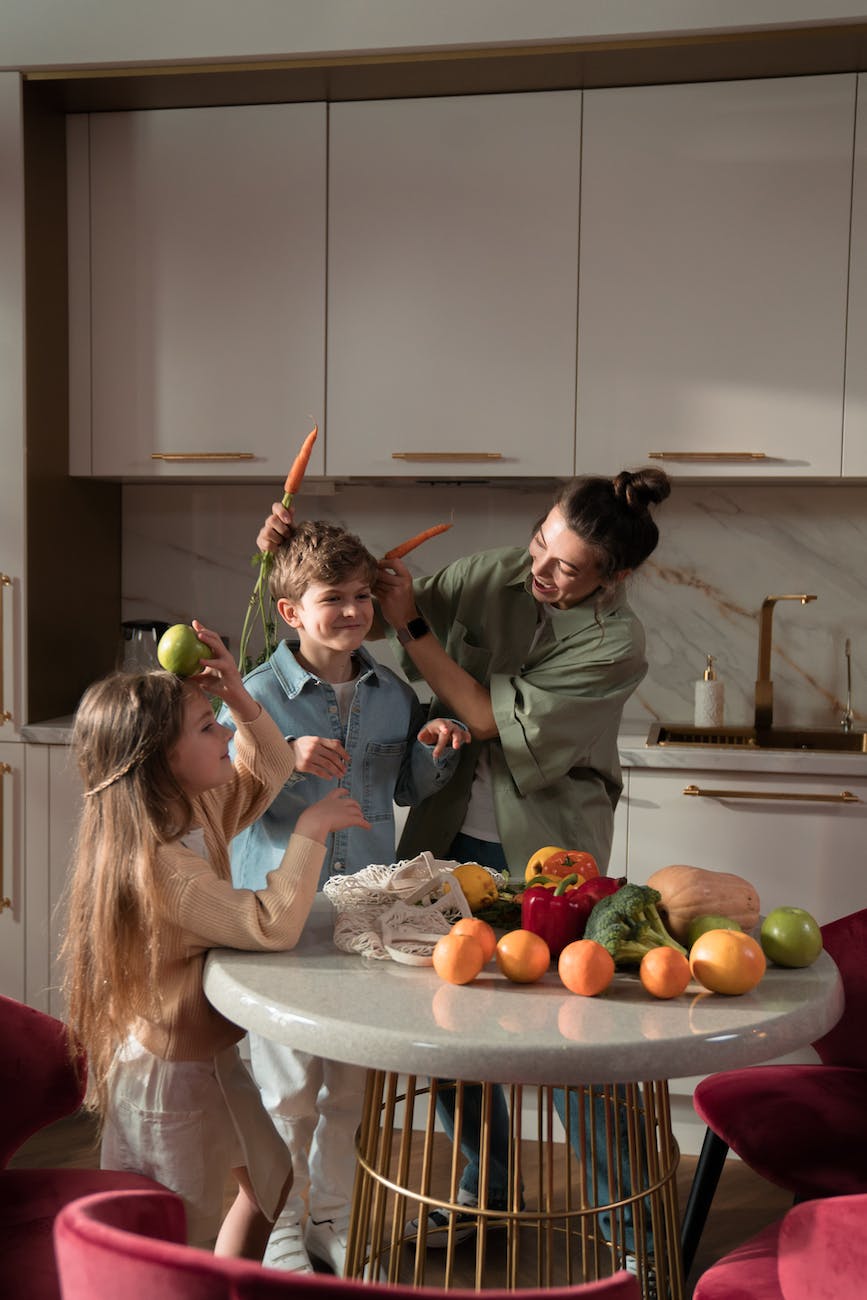
“Mom, my stomach hurts!” The first question I ask after hearing that is, “When is the last time you pooped?” That’s because constipation is both common and painful.
Here’s what happens in the body:
When you chew your food it is mixed with enzymes in your mouth that help break it down further. In the stomach more digestive juices are added turning your food into liquid. Next, your liquid food travels into the small intestine. There the liquid and nutrients are absorbed as it moves into the large intestine. Finally, the remaining waste leaves the body as solid poop.
Constipation is characterized by hard, dry, big, difficult to pass poop. Because big, hard poops are painful, little kids can be afraid to poop and so will hold their poop inside. When this happens the body continues to absorb water from the stool, making the poops drier and causing a bigger problem. If this continues for a long time, a child can develop chronic constipation.
Here are some practical constipation prevention tips:

-Ensure your child drinks plenty of water. Overall, water is the best drink for you. Your body will pull out as much water as it needs from the poop. If you’re not drinking enough the poops will get dry.
-Make sure your child doesn’t drink more than two to three cups of milk in a day. Your kids need a couple of dairy servings every day. However, for some children too much milk may cause constipation.
–Increase fiber. Whole grain bread, cereal, fruits, nuts, beans, and vegetables are all natural fiber that help push the poop along through the intestines. Foods low in fiber such as white bread, cheese, and pasta, take longer to move through the intestines. Instead of white bread, eat brown bread. Compare the amount of dietary fiber in foods that you buy and choose the ones with more fiber per serving.
-Schedule time for going to the bathroom. After eating meals, kids often have the urge to poop. Make sure to get up early enough in the morning to eat a high fiber breakfast and have time on the toilet before going to school. A lot of children are shy about going poop at school, so they will benefit from some time in the morning.
-Increase your child’s physical activity. Moving can help stimulate the bowels.
-As a general rule, I advise against sugary drinks. But if your child needs a little boost to stimulate the bowels, I prefer to use juice as a first line treatment. Try giving your child some pear, apple, mango, or white grape juice. About 4 ounces (120 ml) a day may help as you make the above changes. Try to reserve juice for a treatment, not as a part of your daily meals.
When to go see a healthcare provider:
-Don’t try to treat constipation at home. There are a lot of over the counter constipation medications used to treat adults, but not all of them are safe for children.
-If the constipation has lasted for a week, or you feel like your child may need some medication, then your child needs to be treated by a healthcare provider.
-It’s hard to tell constipation abdominal pain from other types of more serious abdominal pain, so if the pain is worsening, then take your child in.
– Vomiting or a decreased appetite would be other reasons to take your child in to be seen.
– Liquid poop smears or accidents can be a sign of a more chronic form of constipation requiring your health care provider’s treatment plan.
 Healthy Global Kids